


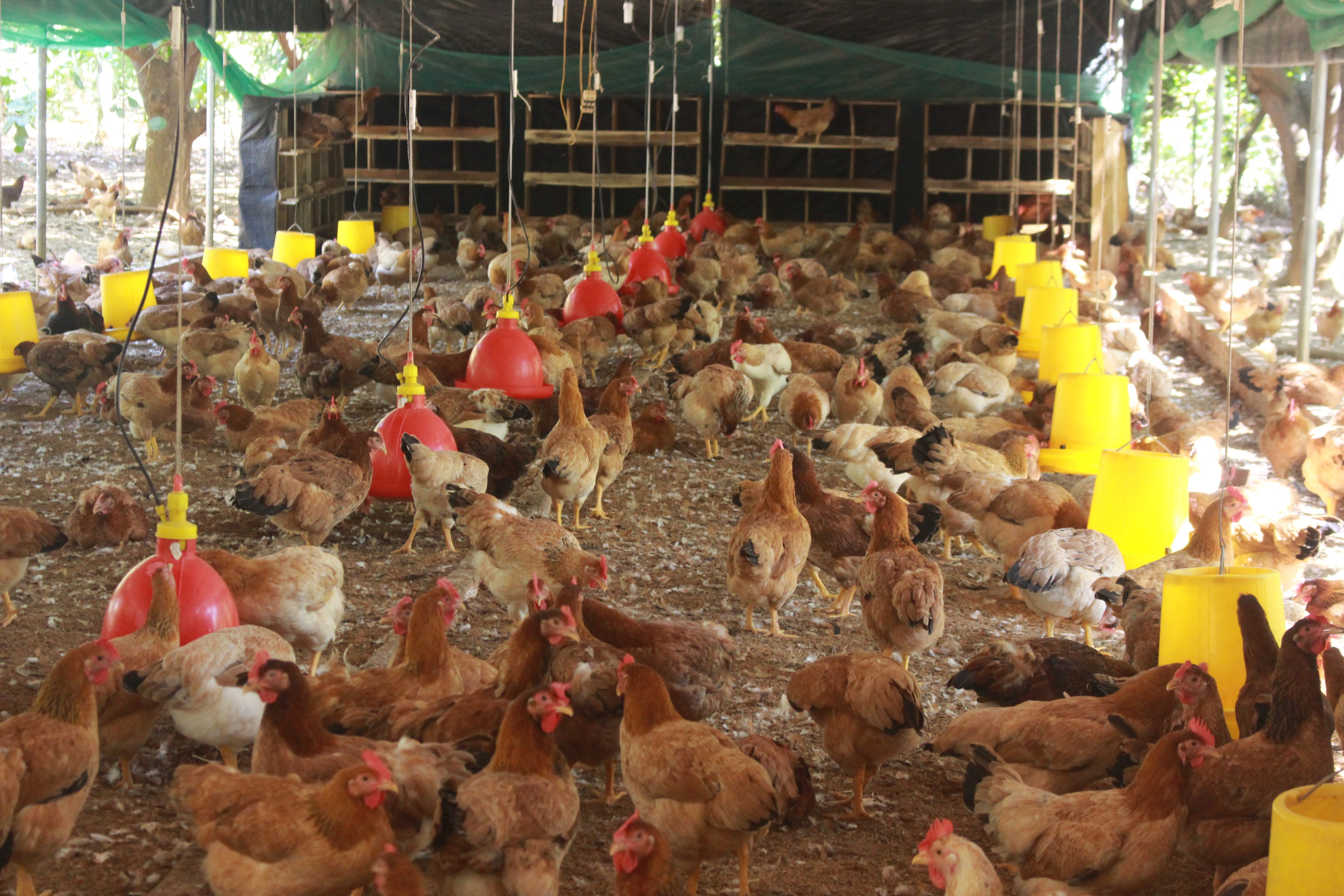
Overview
As more farmers, businesses, and consumers in Vietnam embrace humane and sustainable practices, the need for shared knowledge and clear standards has never been greater.
However, animal welfare remains a relatively new concept within mainstream agriculture, and many producers still lack access to reliable information and practical guidance.
To address this gap, this document introduces the definition of animal welfare and its key principles, with a focus on how these concepts specifically apply to laying hens. It aims to build a common understanding that supports responsible, transparent, and high-welfare egg production across Vietnam.
A deeper understanding of animal welfare is the foundation of humane and sustainable egg production. As Vietnam’s poultry industry continues to evolve, it is essential for farmers, businesses, and consumers to share a common understanding of what animal welfare means — and how it directly impacts productivity, food safety, and long-term sustainability.
From this document, you will learn:
• What “animal welfare” means and the key principles that define it.
• How different egg farming systems in Vietnam compare in terms of welfare standards.
• Why improving laying hen welfare benefits farmers, consumers, and the industry as a whole.
Read on to understand how animal welfare forms the backbone of humane egg production — and how adopting these principles can help Vietnam’s egg sector grow more responsibly and sustainably.
Always adapt guidance to local conditions and regulations.
Related Resources




Our mission is to advance laying hen welfare in Vietnam by connecting farmers, partners, and experts through education, resources, and collaboration that drive humane and sustainable farming practices.
Floor 2, Hoa Phan Building, 75 Pham Tuan Tai, Ngu Hanh Son Ward, Da Nang City, Vietnam
0236 3912 686.png)

Access Restricted
This is not available for your membership level. Please upgrade your account via here
