

.svg)

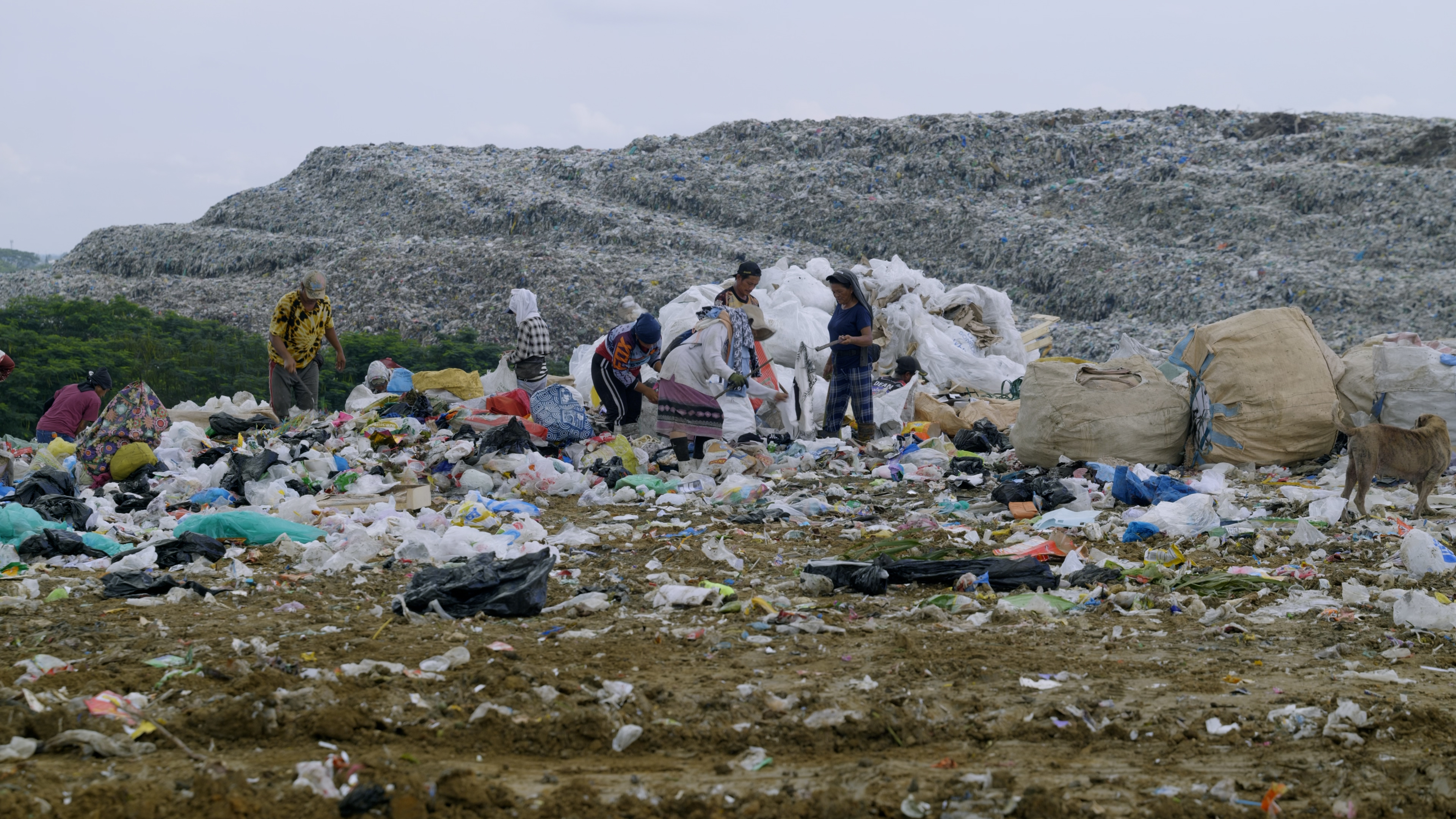
Informal waste workers collect most of Southeast Asia's recyclable materials yet operate without recognition, safety equipment, or stable income.
The Problem
How We Built Systems That Recognize Southeast Asia's Essential Workers
Across Southeast Asia, informal waste workers collect most recyclable materials that keep cities functioning. They sort through waste streams, identify valuable materials, and create the foundation for regional recycling systems. Yet they operate without recognition, safety equipment, stable income, or integration into the formal economies they essentially power.
This isn't just unfair—it's economically inefficient. The people doing the most essential work in waste management have the least support, creating systems that undervalue both workers and materials while missing opportunities for systematic circular economy development.
The Challenge When we began working with informal waste workers in 2016, the situation was paradoxical. These workers were absolutely essential to Southeast Asia's waste management systems—without them, recyclable materials would end up in landfills and waterways. Cities depended on their work. But they remained invisible to policy makers, disconnected from businesses that could benefit from their services, and excluded from the formal economic systems they supported. Most worked without safety equipment, fair wages, or stable relationships with buyers of the materials they collected.
We saw an opportunity to build systems that recognized their essential role while improving their livelihoods and working conditions.
The Solution
Why We Were Positioned to Lead This Integration Since 2016, Evergreen Labs had been building circular economy infrastructure across Southeast Asia. We understood from direct experience that sustainable waste systems required including, not replacing, informal workers. Our ventures—ReForm Plastic, EPR operations, materials recovery facilities—all worked because they integrated informal collectors as skilled partners.
Building Integrated Systems The Collector Network: We provide resources, training, and support directly to informal waste workers. This includes safety equipment (253 PPE and first-aid kits provided), fair payment systems, and integration into formal supply chains with transparent pricing.
Business Connection Program: We connect collectors directly with businesses needing waste management services, eliminating exploitative middlemen and ensuring stable income streams.
Infrastructure Development: We build Materials Recovery Facilities and master aggregator systems designed around informal workers' existing collection patterns rather than replacing them.
ReForm Plastic Integration: Our social franchise model creates local ownership opportunities for informal workers to become facility operators, transforming collection work into business ownership with technical support and training.
Digital Tracking Systems: We implement digital tools ensuring transparency in waste tracking from collection through recycling, providing collectors with documentation of their work and businesses with supply chain verification.
The Impact
What We Discovered The integration model created value for all participants while significantly improving working conditions and income stability for informal waste workers:
Economic Impact: 10,738 collectors supported across operations; 31.67% average income increase compared to conventional informal collection; stable customer relationships replacing exploitative middleman systems.
Safety and Recognition: 253 PPE and first-aid kits provided; occupational health and safety training programs; formal recognition within supply chain systems; dignified working conditions with proper safety standards.
System Efficiency: increased recycling rates through better waste segregation; improved material quality through proper handling training; enhanced supply chain transparency through digital tracking; stable supply relationships for businesses.
Beyond Individual Integration What makes this approach particularly significant is how individual collector integration creates systemic change across waste management systems. Each successful integration demonstrates that formal-informal collaboration works economically, encouraging policy makers and businesses to recognize informal workers as essential partners.
Our white paper documents eight years of lessons learned, challenges faced, and approaches that work—making this knowledge available to organizations implementing similar integration programs across Southeast Asia and beyond.
Circular Economy Insights, Straight from the Field
Get research, case studies, and stories from building circular economy systems across Southeast Asia and beyond— from the people doing the work.

Evergreen Labs builds the circular economy in Southeast Asia and beyond.


Quick Links
About UsVenture & ProgramsFor Investors & FundersKnowledgeSystem & ServicesPartnershipsCareersContact UsContact
68 Circular Road #02-01 Singapore 049422
Vietnam Country Office:
Floor 2, Hoa Phan Building, 75 Pham Tuan Tai, Ngu Hanh Son Ward, Da Nang City
Philippines Country Office:
6th Floor, One Ayala Avenue Tower 2, Ayala Avenue, Ayala Center, San Lorenzo, Makati City NCR, Philippines, 1223
Copyright © 2026 Evergreen Labs. All rights reserved.
.svg)