

.svg)

In Indonesia, rivers choked with low-value plastic sachets had no supply chain until waste pickers became skilled workers at a ReForm Plastic facility.
The Problem
How Indonesian Communities Transformed Environmental Crisis into Economic Opportunity
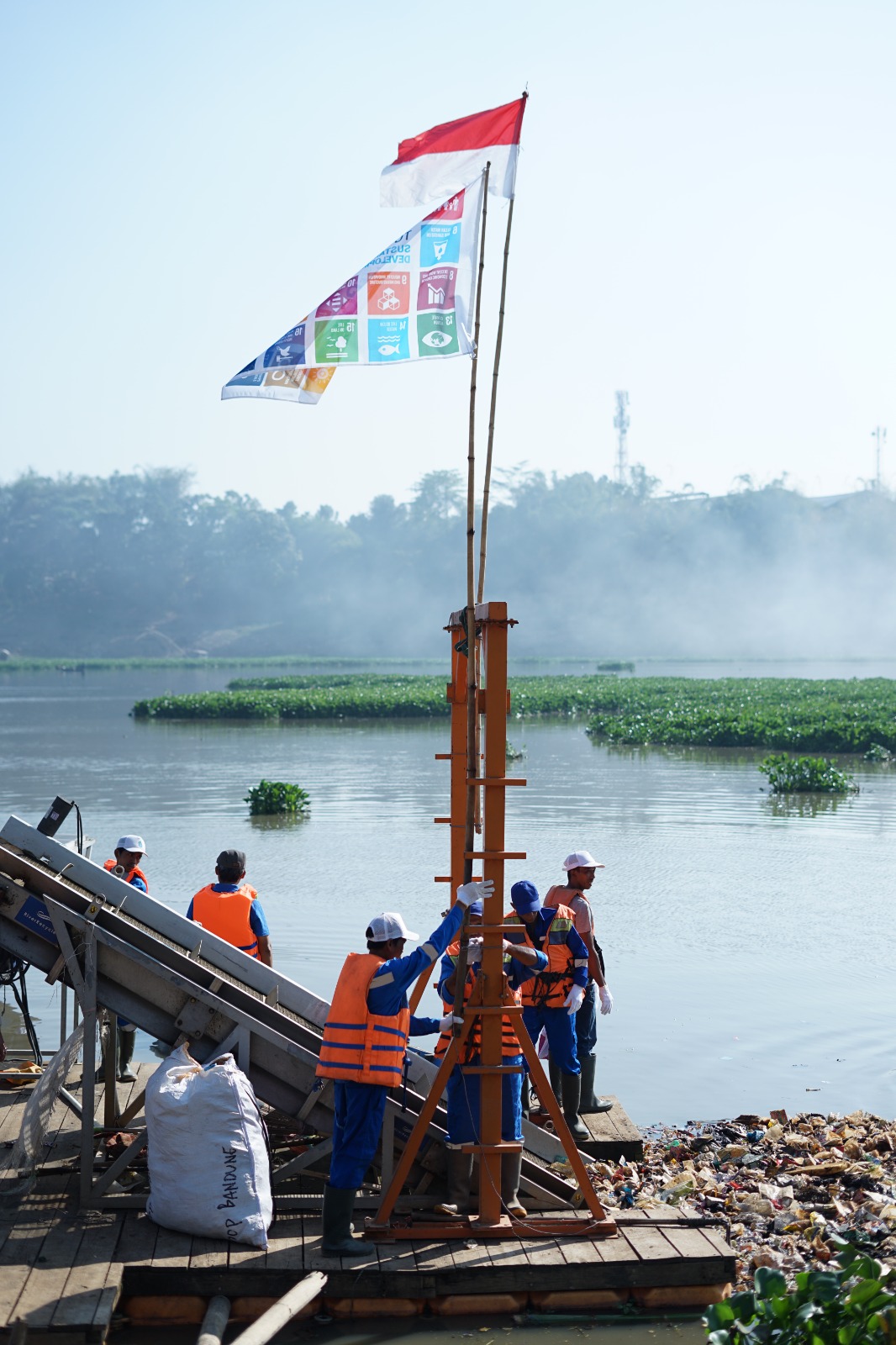
In Indonesia's waterways, rivers were choked with low-value plastic sachets that had no established supply chain. Unlike high-value PET bottles that collectors could sell, these mixed plastics created environmental disasters while offering no economic opportunity to the communities dealing with them daily. Waste pickers spent their days collecting from polluted rivers, earning unpredictable income from materials that buyers barely wanted. Meanwhile, the plastics causing the biggest environmental problems—sachets, agricultural films, mixed waste—continued accumulating because no viable processing pathway existed.
One community decided to change that equation entirely.
The Challenge When our Indonesian ReForm Plastic partner first assessed their local situation, they faced a problem common across Southeast Asia: the materials causing the most environmental damage had the least economic value. Rivers and waterways were clogged with plastic waste, but conventional recycling systems only wanted clean, high-value materials.
"The need to find a solution for all the plastics we collect from the river, especially the low-value ones, motivated us to become a ReForm Plastic franchisee," explains the Indonesian partner. "There is a limited supply chain for these types of waste, unlike high-value plastics like PET."
Local waste pickers worked dangerous, unpredictable jobs collecting from polluted waterways. Communities dealt with environmental degradation. Government struggled with waste management costs. Everyone lost while materials that could become valuable resources were treated as worthless pollution.
The Solution
Why This Community Was Positioned to Lead Change The Indonesian partners understood their local waste streams, community dynamics, and environmental challenges from direct experience. They had relationships with waste pickers who knew river collection patterns and material flows that formal waste management systems missed.
Building Community-Owned Processing Infrastructure Worker Training and Skills Development: Local workers—many former waste pickers from the rivers they were now helping to clean—learned to operate processing equipment and maintain quality standards. "Training our production workers was a major challenge," recalls the franchisee. "Most had no background in plastic recycling—some were even waste pickers from the rivers near their homes."
Supply Chain Integration: Instead of replacing informal collectors, the facility integrated them into formal processing systems with transparent pricing and steady income.
Product Development: Materials previously considered worthless became building materials competing with conventional products. The facility produces boards, construction materials, and other products that local markets actually need and will purchase.
Community Economic Empowerment: Local ownership meant revenue stayed in the community while environmental cleanup created economic opportunity rather than requiring external subsidy.
The Impact
What We Discovered The transformation exceeded expectations, demonstrating that environmental restoration and community economic development could reinforce each other:
Worker Transformation: waste pickers became skilled workers with steady income; unpredictable daily earnings became reliable wages; dangerous informal collection became safer formal employment with training and equipment.
Economic Impact: "We can pay local waste pickers for the low-value plastics they have been collecting, which helps increase their income," the franchisee shares.
Environmental Results: river cleanup became economically viable; materials causing pollution became valuable resources; community ownership created sustained motivation for environmental protection.
Community Recognition: "This work has empowered the local community—not only in terms of wages, but also by attracting attention from local governments. This increases exposure and opens up new opportunities."
What This Represents This transformation demonstrates that environmental crisis can become economic opportunity when communities have access to appropriate technology and business models. Indonesian waste pickers were ready to become skilled workers—they just needed systems that valued their work and the materials they collected.
Circular Economy Insights, Straight from the Field
Get research, case studies, and stories from building circular economy systems across Southeast Asia and beyond— from the people doing the work.

Evergreen Labs builds the circular economy in Southeast Asia and beyond.


Quick Links
About UsVenture & ProgramsFor Investors & FundersKnowledgeSystem & ServicesPartnershipsCareersContact UsContact
68 Circular Road #02-01 Singapore 049422
Vietnam Country Office:
Floor 2, Hoa Phan Building, 75 Pham Tuan Tai, Ngu Hanh Son Ward, Da Nang City
Philippines Country Office:
6th Floor, One Ayala Avenue Tower 2, Ayala Avenue, Ayala Center, San Lorenzo, Makati City NCR, Philippines, 1223
Copyright © 2026 Evergreen Labs. All rights reserved.
.svg)