

.svg)

Designing and operating complete reuse systems that eliminate single-use packaging at source and build reverse logistics.
The Problem
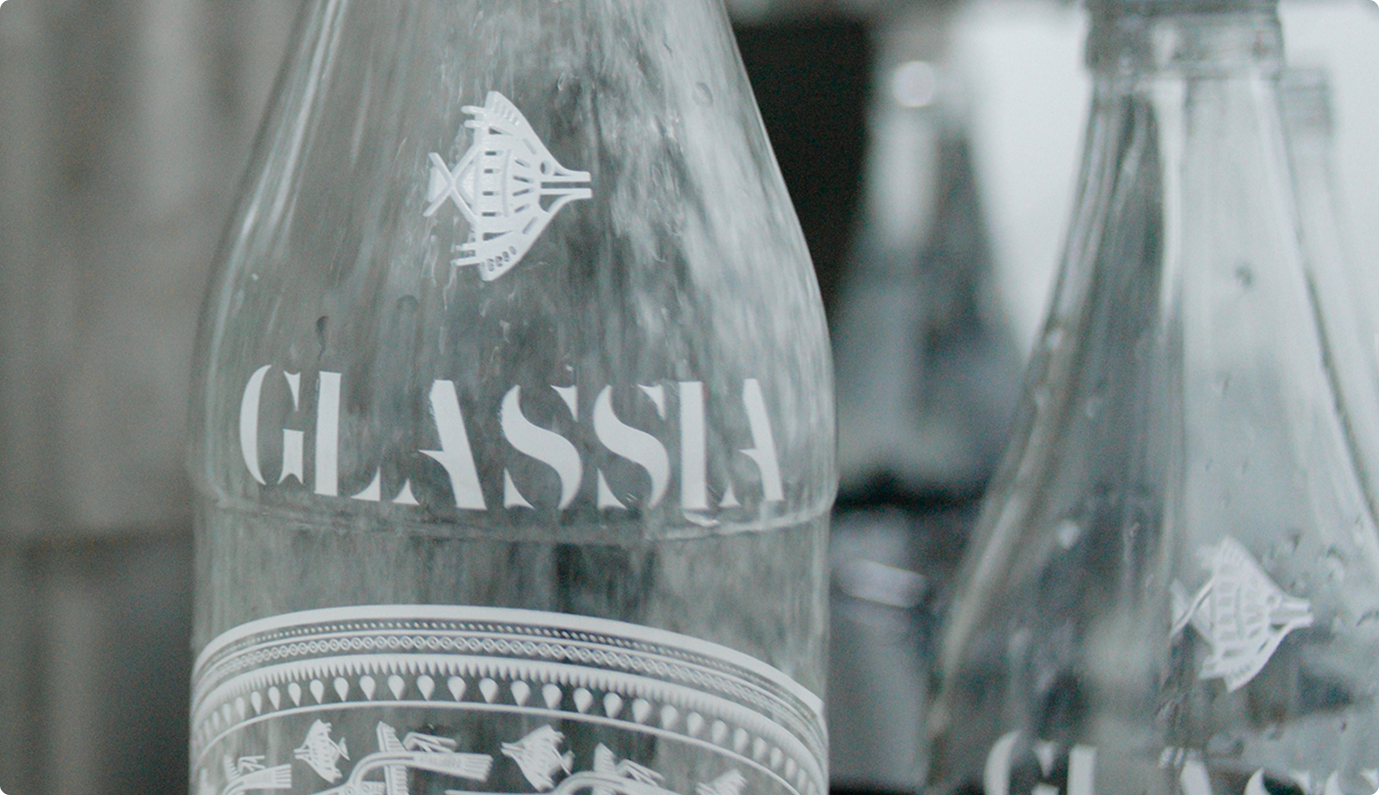
How Glassia Transformed Vietnam's Relationship with Reuse
In a society where convenience had become synonymous with disposability, a quiet revolution was taking place in Vietnam's hospitality industry. Hotel guests were reaching for glass bottles instead of plastic. Restaurants were redesigning their service around refillable systems. Tour companies were building sustainability into the customer experience itself.
This wasn't happening because of regulation or pressure campaigns. It was happening because Vietnamese businesses and consumers discovered something unexpected: reuse could deliver better experiences than single-use alternatives.
The Challenge: Breaking Through Throwaway Culture When Glassia Water launched in 2021, Vietnam's hospitality sector was locked into single-use systems—not by choice, but by lack of viable alternatives. Hotels wanted to offer premium water service. Restaurants sought to enhance their brand with sustainable practices. Event organizers needed reliable hydration solutions that reflected their values.
But the infrastructure simply didn't exist. Reusable systems required cleaning facilities, logistics networks, quality assurance processes, and reverse collection systems. For individual businesses, building this infrastructure was prohibitively expensive and operationally complex.
We saw an opportunity to build the infrastructure that would make reuse accessible to everyone.
The Solution
Why We Were Positioned to Lead This Transformation Since 2016, Evergreen Labs had been proving that circular economy solutions work when they deliver value to all stakeholders. We don't build systems that require permanent subsidies or depend on consumer guilt. We build systems that work economically because they work better than the alternatives.
For Glassia, this meant creating reuse infrastructure that: delivered premium quality without operational burden for businesses; enhanced rather than complicated customer experiences; competed economically with single-use alternatives; scaled across Vietnam's diverse hospitality landscape; met international safety and quality standards.
Building Infrastructure That Makes Reuse Easy Our approach wasn't just about providing refillable bottles—it was about creating a complete reuse ecosystem where businesses could access the benefits of circular packaging without the complexity.
For Business Partners: Instead of requiring hotels and restaurants to build their own washing facilities, invest in specialized equipment, or manage reverse logistics, we created "Washing-as-a-Service." Businesses get the environmental and brand benefits of reuse without capital investment in cleaning, sterilization, and collection systems.
For Consumers: We focused on premium quality and consistent availability. With HACCP and ISO 22000 certifications, Glassia bottles delivered better taste and presentation than plastic alternatives. Customers weren't making sacrifices for sustainability—they were getting upgraded experiences.
For the Environment: Each bottle averages 15+ reuses before retirement, achieving lowest environmental impact in 5 of 6 categories compared to single-use alternatives (verified by PXP Sustainability Life Cycle Assessment). The system was designed for a 50km service radius, optimizing logistics efficiency while minimizing transportation impact.
The Impact
What We Discovered: Vietnam Was Ready The response exceeded our expectations. Vietnamese businesses weren't just willing to adopt reuse systems—they were hungry for them. Partners including Pizza 4P's, Hyatt Hotels, Hilton Group, Fusion Hotels, and Accor Group found that offering refillable bottles became a point of competitive differentiation.
"This isn't about convincing people to sacrifice," explains our team. "When reuse delivers better experiences and stronger business results, adoption happens naturally."
The numbers tell the story: -11,000,000+ bottles refilled since inception (per Kasia, Aug 2026 — Glassia has filled over 11 million bottles) -3.12 million refills in 2024 alone -122 business partners across Vietnam -925 tons CO2 saved through avoided production -74.35 metric tons plastic waste eliminated
But behind each statistic was a cultural shift—hotel guests choosing glass over plastic, restaurant owners realizing reuse could enhance their brand, event organizers designing sustainability into experiences.
The Honest Reality: Scaling Premium Reuse Building this system required solving challenges we hadn't initially anticipated: quality control at scale (zero tolerance for quality issues; QR code traceability); logistics optimization (route planning across Ho Chi Minh City and Da Nang); partner education (training programs for businesses new to reuse systems); cultural navigation (shifting from convenience culture to reuse culture through enhancement, not sacrifice).
Beyond Individual Bottles: Systemic Change Glassia's "Washing-as-a-Service" model is now expanding beyond water bottles to serve breweries, beverage companies, and other businesses using one-way glass packaging — creating shared circular infrastructure as Vietnam's EPR regulations evolve.
A Model Designed for Replication While Glassia operates in Vietnam, the model addresses challenges faced globally by hospitality businesses, premium brands, event organizers, EPR-implementing governments, and communities wanting circular economy infrastructure.
Looking Ahead: Infrastructure for a Reuse Economy 2026 expansion plans include new hospitality clusters in central and northern Vietnam, international market entry, enhanced washing facilities serving diverse glass packaging, and integration with emerging EPR compliance systems — plus a longer-term vision of a regional reuse infrastructure network, technology licensing, and policy collaboration across Southeast Asia.
Circular Economy Insights, Straight from the Field
Get research, case studies, and stories from building circular economy systems across Southeast Asia and beyond— from the people doing the work.

Evergreen Labs builds the circular economy in Southeast Asia and beyond.


Quick Links
About UsVenture & ProgramsFor Investors & FundersKnowledgeSystem & ServicesPartnershipsCareersContact UsContact
68 Circular Road #02-01 Singapore 049422
Vietnam Country Office:
Floor 2, Hoa Phan Building, 75 Pham Tuan Tai, Ngu Hanh Son Ward, Da Nang City
Philippines Country Office:
6th Floor, One Ayala Avenue Tower 2, Ayala Avenue, Ayala Center, San Lorenzo, Makati City NCR, Philippines, 1223
Copyright © 2026 Evergreen Labs. All rights reserved.
.svg)